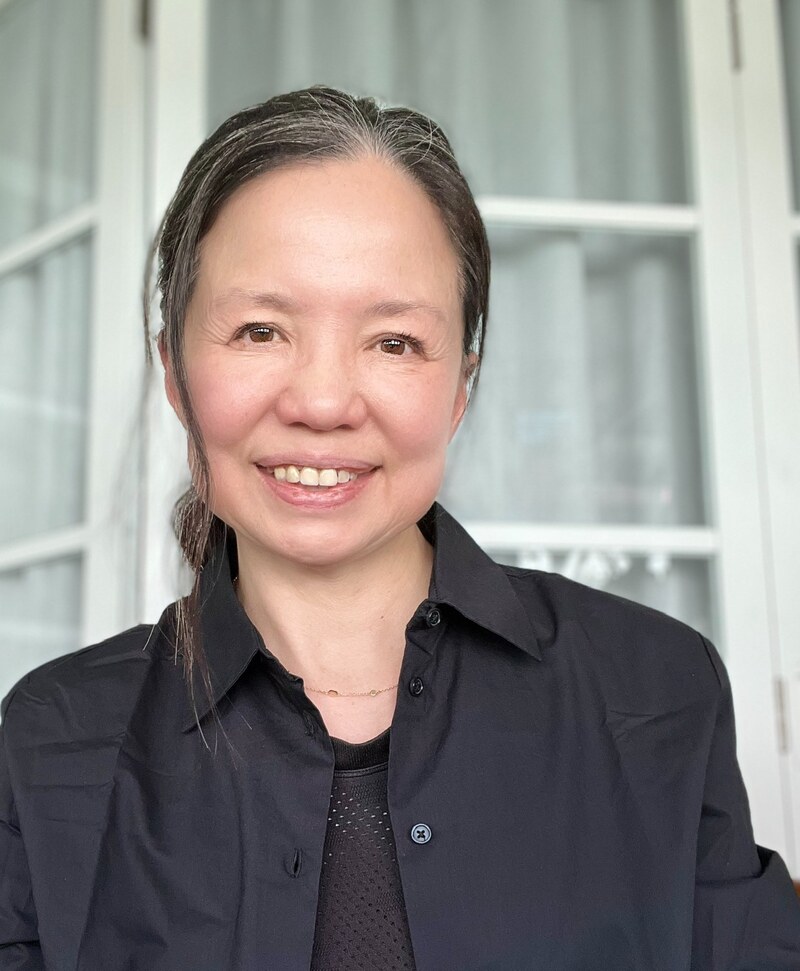
Psychotherapist and author exploring consciousness, relationship, and the lived texture of human experience.
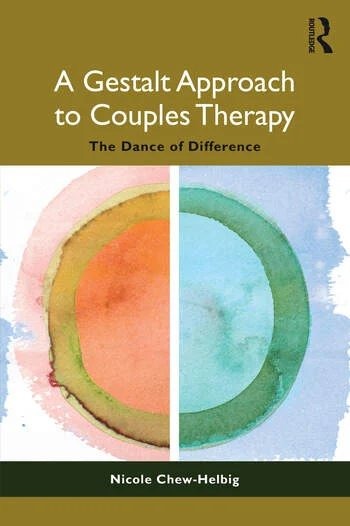
Published by Routledge. A framework for understanding how genuine connection emerges from embracing individuality — integrating Gestalt therapy principles with cross-cultural perspectives to navigate the dynamic tension between autonomy and togetherness.
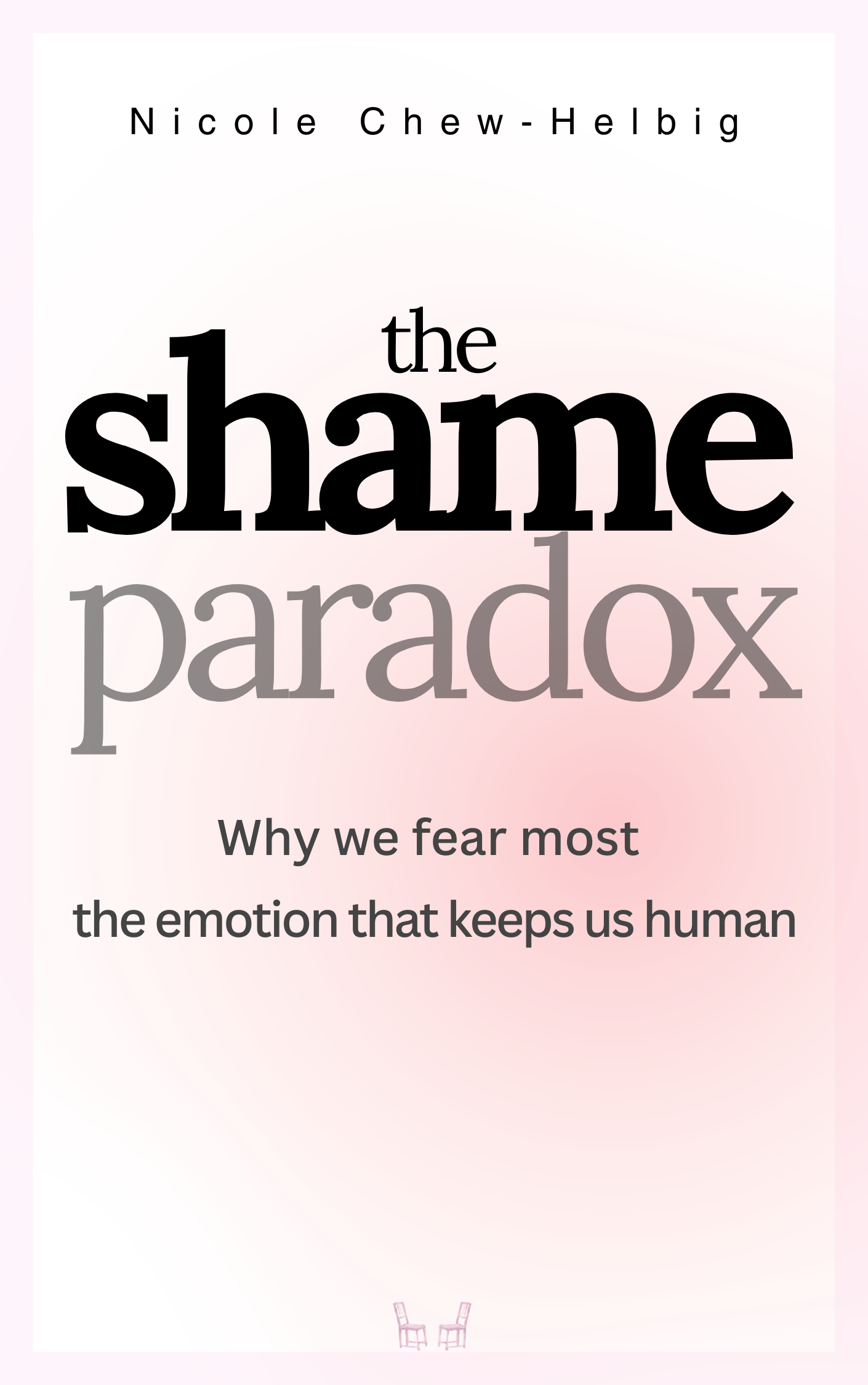
Manuscript editing in progress!
Through neuroscience, a startling reinterpretation of Genesis, and three clinical stories that stay with you long after reading, this book traces shame from infant neurobiology to its place in consciousness itself — arguing that the emotion we spend our lives fleeing is the one that makes us irreplaceably human.
“The emotion we fear most is the one that makes all of this possible.”
— from The Shame Paradox
My writing moves between clinical practice, neuroscience, philosophy, and memoir. I am drawn to the questions that sit at the edge of what psychotherapy can articulate — where shame meets consciousness, where relationship meets moral life, and where the body knows what words cannot yet say.
My doctoral research developed a practice-based methodology built on the conviction that clinical knowledge is transmitted through story — as healers have always done for their apprentices. Published in peer-reviewed journals including the European Journal of Psychotherapy & Counselling.
My approach is experiential and relational: grounded in field theory, attentive to the body, shaped by work with asylum seekers, war trauma survivors, and the ordinary suffering of people trying to stay present to each other.
I hold a doctorate in Psychotherapy Science from Vienna and am a certified Integrative Gestalt psychotherapist practising in Singapore. Before entering psychotherapy, I trained as a biochemist at the National University of Singapore and built a career in the food and beverage industry.
My path into mental health deepened during the refugee crisis in Austria, where I worked with asylum seekers and war trauma survivors across language and cultural divides. That experience — of sitting with suffering that had no shared language — shaped everything I now write and practise.
I am also a painter. I grew up in a multicultural Chinese-Eurasian family, attended a convent school, and carry an outsider's perspective on Western therapeutic culture that informs much of what I do. I maintain a full clinical practice alongside my writing, art, and community.
“What makes humans irreplaceable to each other, even in an age of artificial intelligence?”
— the question at the heart of The Shame Paradox
I work with individuals and couples in Singapore. My approach is experiential — grounded in Gestalt field theory, attentive to the body, and shaped by a deep respect for the therapeutic relationship itself as the primary instrument of change.
For clinical enquiries, speaking invitations, workshops, or supervision:
psychotherapist.sgOccasional reflections on consciousness, relationship, and what it means to be human.